 2N/3D
Jageshwar Temple Tour
Kathgodam → Almora → Jageshwar Dham → 124 Temples
 2N/3D
Jageshwar + Almora Package
Almora → Kasar Devi → Chitai Temple → Jageshwar Dham
 3N/4D
Jageshwar + Kausani Tour
Kathgodam → Kausani → Baijnath → Almora → Jageshwar
 3N/4D
Jageshwar + Binsar Tour
Jageshwar Temples → Almora → Binsar Wildlife Sanctuary
Plan Your Dream Uttarakhand Trip
Our experts call back in 30 mins with custom itinerary & best price
+91-8057146497WhatsApp Us
Top Attractions in Jageshwar
Explore the most beautiful spots in Jageshwar, Uttarakhand
What is Jageshwar Dham?
📅 Last Updated: August 2026Jageshwar Dham is an ancient Hindu temple complex in Almora district, Uttarakhand, comprising 124 Nagara-style Shiva temples set in a sacred deodar forest at 1,870m altitude. Built between the 7th and 12th centuries CE by the Katyuri dynasty, it is protected by the Archaeological Survey of India and regarded as one of the most significant Shaivite pilgrimage sites in the Himalayas.
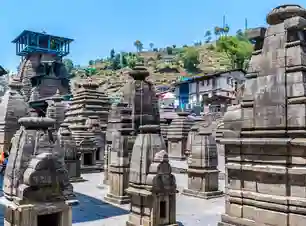
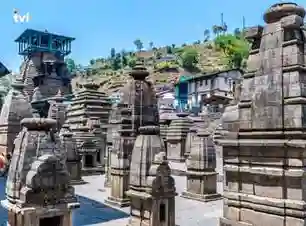
Jageshwar is a historically significant Shiva temple pilgrimage site in Uttarakhand — an ancient temple town nestled in a dense deodar cedar forest at 1,870m in Almora district, Kumaon. The Jageshwar Dham complex comprises a remarkable cluster of 124 Nagara-style stone temples dedicated primarily to Lord Shiva, built between the 7th and 12th centuries by the Katyuri dynasty. The Archaeological Survey of India (ASI) maintains this protected monument, and the site is often called the "Northern Kashi" for its religious importance among Shaivite pilgrims across India.
Among the most revered shrines here are the Mahamrityunjaya Temple, the tall Dandeshwar Temple (the largest in the complex), the Kedar Temple, Lakulish Temple, and Nanda Devi Temple — all fine examples of Nagara architecture in the Kumaon Himalayas. From the dham, a forest road leads 14 km uphill to Vriddha Jageshwar (2,530m) — an ancient cave shrine considered the original seat of Lord Shiva. The site is also famous for the annual Shravani Mela 2026 (10 July – 8 August) — one of the largest Kumaon pilgrimage festivals — when lakhs of devotees gather for kanwar processions and Shiva abhishek. Read the complete Jageshwar Dham temple guide →
Why Visit Jageshwar?
What is the History of Jageshwar Dham?
Understanding the history of Jageshwar is understanding 1,400 years of Shaivism in the Himalayas.
The earliest temples at Jageshwar Uttarakhand were built during the early Katyuri period, around the 7th century CE. These initial shrines were simple stone structures dedicated to Lord Shiva, constructed by local rulers who held Jageshwar as one of the most sacred sites in the Kumaon Himalayas. The deodar forest surrounding the temples was already considered divine — a natural temple in itself — and the combination of sacred grove and stone shrine made Jageshwar unique among pilgrimage sites in northern India.
The Katyuri kings — who ruled Kumaon from their capital at Kartikeyapura (modern Baijnath) — were the primary builders of this sacred complex as we see it today. Between the 8th and 10th centuries, they built the majority of the 124 Nagara-style stone temples in the valley. The Katyuris were devout Shaivites and invested enormous resources in expanding the site, commissioning skilled craftsmen who carved the intricate shikhara towers and deity sculptures that still stand today. This period produced the iconic Dandeshwar Temple — the tallest structure in the complex — and the Mritunjaya Temple, where the Mahamritunjaya Shiva is enshrined.
This sacred dham reached its architectural peak between the 9th and 12th centuries. This era produced the most refined examples of Nagara-style hill temple architecture in the entire Kumaon region. The shrines are built from grey sandstone, with curvilinear shikhara towers rising above sanctum sanctorums that house remarkable stone sculptures of Shiva, Parvati, Ganesha, Kartikeya, and the eight Dikpalas (directional guardians). The temple cluster is divided into three groups — the main shrine group, the Dandeshwar group, and the Kuber temple — each showcasing different periods and styles within the broad Nagara idiom.
There is a long-standing devotional tradition that links Jageshwar Dham to the Jyotirlinga tradition. Many pilgrims consider Jageshwar Dham Jyotirlinga to be the 8th Jyotirlinga, identified with "Nagesh" mentioned in the Shiva Purana — though this interpretation is debated among scholars, with other sites also claiming this identity. Regardless of this theological debate, what is undisputed is that Jageshwar has been a major Shaivite pilgrimage destination for over 1,400 years, drawing saints, seers, and devotees from across the Indian subcontinent. Adi Shankaracharya is said to have visited Jageshwar during his tours of the Himalayas, adding to its spiritual prestige.
The heritage of Jageshwar is now protected by the Archaeological Survey of India (ASI), which declared the complex a protected monument. The ASI also maintains an on-site Archaeological Museum housing sculptures, inscriptions, lamps, and votive objects recovered from excavations around the temples — making it one of the most important repositories of Kumaoni history and Katyuri-era art. Today, Jageshwar Dham remains a living temple — priests perform daily rituals, the evening aarti fills the deodar forest with the sound of bells, and the annual Shravani Mela (July–August) draws lakhs of pilgrims just as it has for centuries. UNESCO nomination for World Heritage status has been long discussed, reflecting the site's outstanding universal value.
What Does a 3-Day Jageshwar Itinerary Look Like?
Our 3-day Jageshwar plan covers the temple complex, Artola, Vriddha Jageshwar, Almora and optional Binsar — the ideal first-time Kumaon pilgrimage experience.
Morning: Depart Kathgodam or Haldwani; drive via Bhimtal and Almora through the scenic Kumaon hills.
Afternoon: Arrive Jageshwar; check in to hotel; visit the Jageshwar temple complex and ASI museum — explore 124 ancient Nagara-style Shiva temples set in a deep deodar forest.
Evening: Evening aarti at Mritunjaya Temple; stroll through the deodar forest in the golden hour; dinner at hotel.
Morning: Drive or trek 5 km to Artola temples; continue 14 km to Vriddha Jageshwar cave shrine at 2,530m — one of the most atmospheric high-altitude shrines in the Kumaon Himalayas.
Afternoon: Return to Jageshwar; drive to Almora (36 km) — explore Chitai Golu Devta Temple, traditional Lala Bazaar, and the ancient Nanda Devi Temple.
Evening: Sunset at Bright End Corner, Almora; overnight in Almora or return to Jageshwar.
Morning: Optional visit to Binsar Wildlife Sanctuary (25 km from Almora) — Zero Point offers a panoramic 300-km Himalayan sweep including Nanda Devi, Trishul and Panchachuli on clear mornings.
Afternoon: Visit Kasar Devi Temple on the mystical Crank's Ridge; drive back toward Kathgodam or Haldwani for onward journey.
Evening: Drop at Kathgodam railway station or Pantnagar Airport; tour concludes.
How to Reach Jageshwar Dham?
Jageshwar is located in Almora district, Uttarakhand — well connected by road from all major railheads and airports in the region.
What is the Best Time to Visit Jageshwar?
Frequently Asked Questions — Jageshwar Tour Packages
How many temples are there at Jageshwar?
Jageshwar has 124 ancient stone temples dedicated primarily to Lord Shiva, built in the Nagara architectural style between the 7th and 12th centuries by the Katyuri kings. The Archaeological Survey of India (ASI) maintains and protects this complex.
What is the best time to visit Jageshwar?
March to June is the most pleasant time — clear skies, cool temperatures, rhododendrons in bloom. September to November is also excellent. The Shravani Mela in July–August is spiritually the most vibrant period. Winter (Dec–Feb) is cold but beautiful with occasional snow.
What is Vriddha Jageshwar and how do I reach it?
Vriddha Jageshwar ("Old Jageshwar") is an ancient cave shrine at 2,530m altitude, believed to be the original site of Lord Shiva's presence. It is 14 km from Jageshwar via a forest trek or a combination of road and short trek through Artola. Our packages can include this trek with a local guide.
How far is Jageshwar from Almora and Kathgodam?
Jageshwar is 36 km from Almora (approximately 1.5 hours by road) and 125 km from Kathgodam railway station (about 3.5–4 hours). From Delhi, the total distance is roughly 400 km via Moradabad and Haldwani.
Can I combine Jageshwar with other Kumaon destinations?
Yes — Jageshwar pairs perfectly with Almora, Kasar Devi, Binsar Wildlife Sanctuary, Ranikhet, and even Munsiyari and Pithoragarh. We offer Kumaon circuit packages covering 5–7 days with all these destinations combined.
Is there accommodation available at Jageshwar?
Jageshwar has limited but good guesthouses, KMVN tourist rest houses, and a few forest resorts. Most visitors also stay in Almora (36 km) which has wider accommodation options including heritage hotels. Our packages include accommodation booking at the best properties within your budget.
What is the Shravani Mela at Jageshwar?
The Shravani Mela is an annual pilgrimage festival held at Jageshwar during the holy month of Shravan (July–August). Lakhs of devotees perform kanwar yatras, bring sacred Ganga water for Shiva abhishek, and participate in rituals. It is one of the largest religious gatherings in Kumaon.
How do I book a Jageshwar tour package?
Click "Get Quote" on any package above or WhatsApp us at +91-8057146497. Our team will customise the itinerary for your group, dates, and budget, and share a full cost breakdown within 2 hours.
This guide is prepared by the travel experts at Tour Venture India — a Dehradun-based tour operator with over a decade of experience organising Uttarakhand pilgrimages, Char Dham Yatra, and Kumaon temple circuit tours. Our team has personally visited Jageshwar Dham, Vriddha Jageshwar, and the surrounding Kumaon region, and all information on this page is verified by our on-ground team as of August 2026. For bookings or queries, reach us at +91-8057146497.